Pop. Fizz.
Ever since I was a 15-year-old lifeguard with unlimited access to the snack bar beverage dispenser, I’ve associated a diet soda (aka the “millennial cigarette”) as a reward for a job well done. Twenty-something years later, as a health editor, I can’t unsee the downside: Neurologists won’t drink it. Regular consumption of diet soda can raise your risk of certain liver diseases by up to 60%.
While companies are trying to make soft drinks less bad for you (prebiotic sodas, anyone?), experts say it’s smarter to make soda an occasional indulgence, rather than your main beverage of choice. Here’s how to cut back.
You’ve got to make a plan. This decision tree can help you figure out your ideal swap.
Try to avoid any alternatives found amongst these top 10 offenders that aren’t doing you any favors.
If you think seltzer is soda’s no-fun cousin… give it a movie makeover with one simple add-in.
— Anna “Bubbly on the Inside” Davies, writer
What's Making the Rounds
Plenty of tech bros have swapped naptime for “non-sleep deep rest" ... and they might be onto something. Here’s what your body has to say about this rebrand.
These four mental traps can trigger an anxiety spiral — learn how to spot them and stop them.
End-of-year chaos can throw anyone's digestion for a loop — but you should probably call the doc if the worst of these colors appear in your toilet bowl.
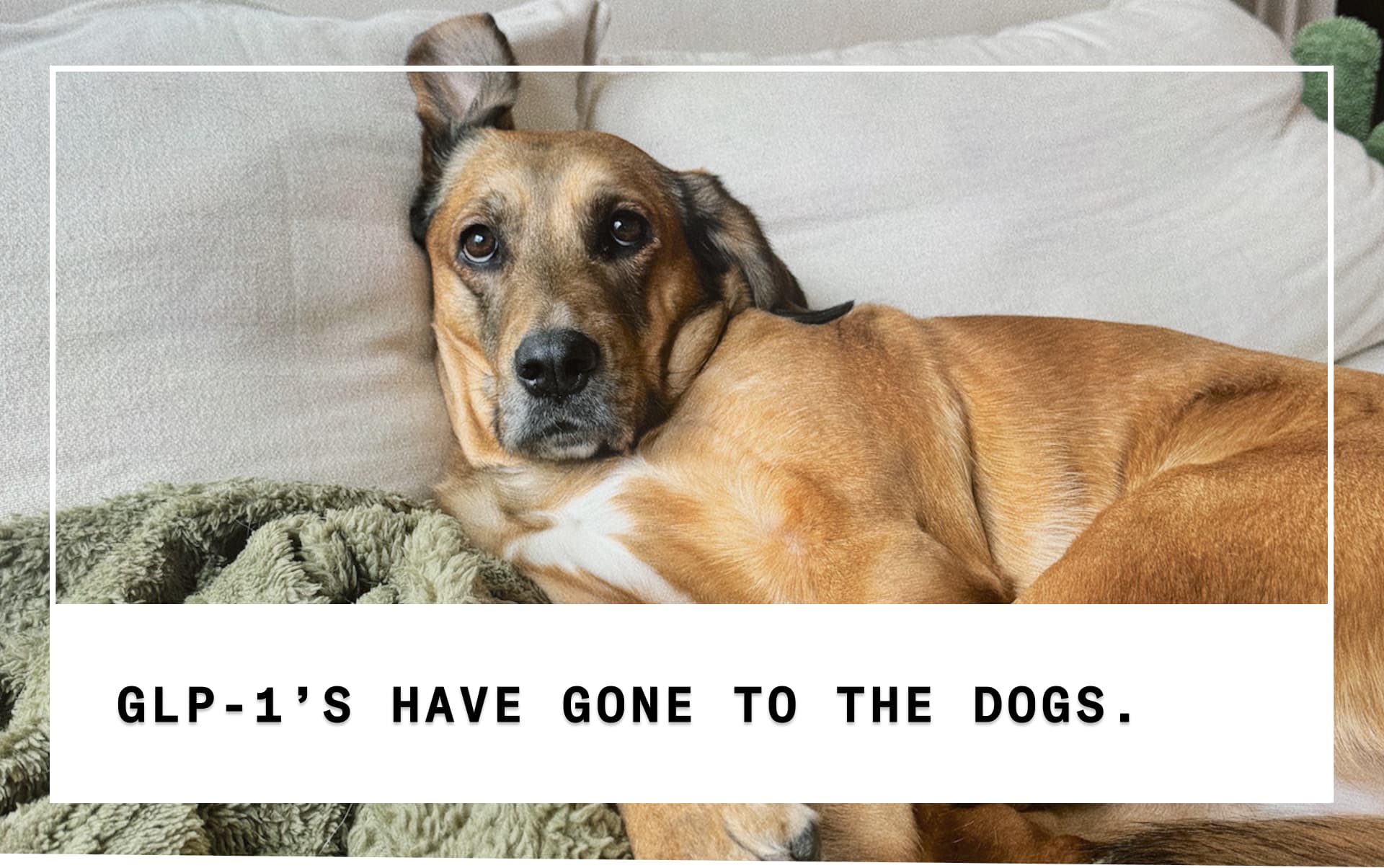
“Ozempets” are the new frontier of animal wellness… and it’s appealing to more than Fluffy’s vanity.
The viral “pick up challenge” isn’t just content gold — mastering it could mean that you’ll live longer.
The difference between Gen Z and millennials isn’t just their sock height — it’s in their brains.
Your Ovaries Would Like to Talk About Their Whole Résumé, Not Just Baby-Making
Sienna Miller recently made headlines for announcing her third pregnancy at age 43. Celebrity bump watching aside, what happens in someone else’s uterus is between her, her partner, and her doctor. But moments like this also make it harder to hold onto the idea of a “fertility cliff” at 35, which doctors now say is less of a steep decline and more of a slow coast — many women conceive naturally well into their forties.
It’s one of several new shifts in science regarding ovarian health: Scientists now believe your ovaries may be a key to prolonged fertility and to whole-body wellness and longevity, whether you want to have kids or not.
Which brings us to "ovarian aging" — the part of this story scientists are rethinking most.
Isn’t ovarian aging just running out of eggs? Nope. It’s a biological slow-down that can begin in your mid-twenties and affects the whole hormone ecosystem. You’re born with all the follicles (aka egg-containing cells) you’ll ever have. Over time, the quantity and quality decline. But the real shift is in the supporting cells. As certain types of these cells age, they become less responsive, throwing off communication with the brain.
And why does that matter? The ovaries and the brain operate on a feedback loop. When ovarian signaling weakens, the brain amps up hormones like follicle-stimulating hormone (FSH) to try to compensate. That increased “effort” is one of the earliest markers of ovarian aging. And the ripple effects go system-wide.
Those hormonal changes affect metabolism, bone turnover, cardiovascular health, inflammation, and cognitive function — which is why ovarian aging is now being studied as an early indicator of overall biological aging.
What can I do about it? Clinical trials are underway to slow down ovarian aging, potentially delaying menopause, which could support longevity by preventing age-related diseases. But for now, knowledge is power — and a conversation with your doctor is the best starting point.
For Your Sanity:
• Think Beyond Fertility. Ovarian function affects more than pregnancy — it offers early clues about your long-term health. If something feels “off” with your cycles or hormones, flag it ASAP. Early ovarian aging, when the ovaries show markers typical of someone older, is linked to higher risks of heart disease, osteoporosis, mood changes, brain fog, and metabolic issues later in life — and catching it sooner can guide screening and prevention.
• Ask About Testing. Anti-Müllerian Hormone (AMH) levels, hormone panels, and ultrasounds aren’t just for people trying to conceive. They can help map your ovarian function and flag changes early. Women whose ovarian levels are low may benefit from discussing the pros and cons of hormone replacement therapy with their doctor.
• Support What You Can Control. Emerging research suggests that sleep, nutrition, chronic stress, metabolic health, and environmental exposures may influence ovarian aging. Translation: While you can’t stop the clock, there are lifestyle choices that support a healthier hormone environment as you get older.
Hygge-fied Fitness

Scandinavian living has already taken over our closets and coffee tables — and now your exercise routine is about to get a chic, minimalist makeover as well. The Scandi workout philosophy is simple: building functional strength through steady effort with a focus on consistency — and getting outside even when the temps dip low enough for brisk walks to double as cryofacials.
So this week, we’re translating that Nordic spirit into three workouts you can technically do from the cozy comfort of your pared-back living room… or the great outdoors, should you want to embrace those cool girl vibes literally.
• If your glutes tend to hibernate during winter from all the extra time hanging on the couch, standing Pilates is a surefire way to wake them up.
• This eight-minute full-body workout is specifically designed for walkers and runners. Do it ahead of your next wintery stroll or jog to warm up from the inside out.
• • Then come in and thaw out from the cold with a twenyish minute some low-impact full-body strength and mobility workout work that’ll melt joint tension too.
A Healthy Hug in a Bowl

On those days when your calendar has more colored blocks than white space and your “stretch break” is just you leaning over to pick something up, you need a dinner that asks very little but gives a lot. This chicken pot pie gnocchi recipe from @jacialisontodd hits all the requirements: low-prep, deeply cozy, surprisingly filling, and ready before you can doom-scroll your way through another TikTok loop.
The prep is very much choose your own adventure: Add a few extra handfuls of frozen veggies for added fiber; swap half the gnocchi for white beans for some added protein, and use low-sodium chicken broth to cut down on salt without reducing flavor. Bonus: It reheats like a dream.
Time to Go?
Holiday party one night, movie-marathon hibernation the next… your social calendar may be unpredictable, but your bathroom schedule doesn’t have to be. Fiber supplements are the low-key heroes that keep things moving, support gut health, and help your whole system feel a little more… regulated. Here are the best ones to have on hand when your routine needs a nudge in the right direction.
Here’s the full list of the best fiber supplements, according to registered dieticians.
Stand Up Straight
We’re not here to tell you to put down your phone. (It’s December. Do what you need to cope.) But we are here to remind you that all that looking down — at your laptop, your phone, your cutting board while you’re sprint-cooking dinner — can turn your neck and upper back into a cranky Jenga tower.
Enter this DailyOM course: Gentle Exercises to Eliminate Your Neck Hump. Taught by Tristan Gatto, a physical therapist assistant and DailyOM instructor, it breaks down simple stretches that help you “unstick” your spine, improve alignment, and feel more open through your neck and upper back. It’s go-at-your-own-pace and includes four guided workout sessions that come with technique pointers, so you’re not guessing your way through better posture.
Subscribe to Skimm Well
Sign up here to receive our wellness newsletter filled with actionable advice, expert-vetted content, product recs, and more — delivered directly to your inbox.